
A GENEROUS ATTITUDE
Deuteronomy 24:10-22
Saturday, 24 October 2026
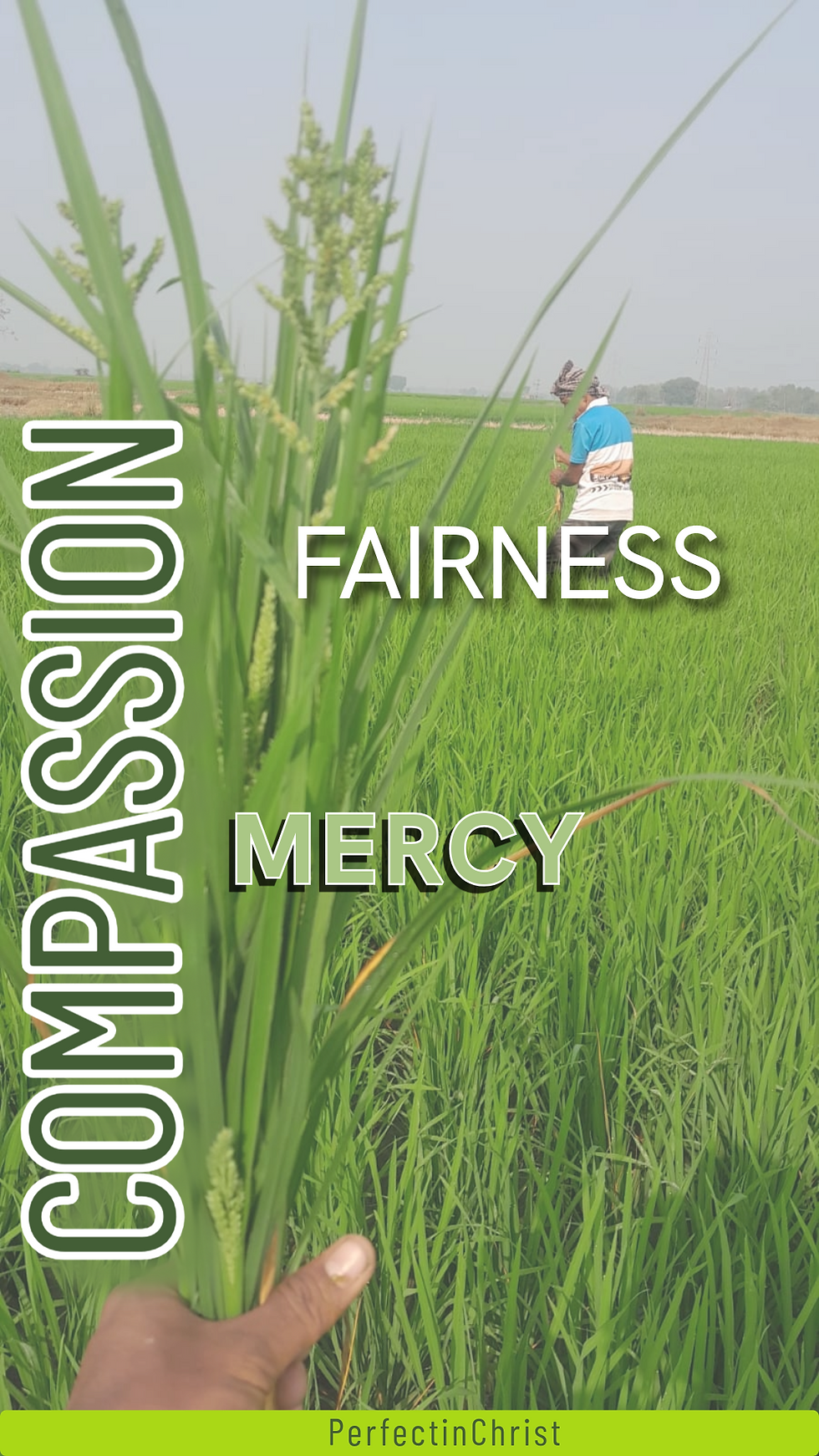
“When you reap your harvest in your field, and forget a sheaf in the field, you shall not go back to get it; it shall be for the stranger, the fatherless, and the widow, that the LORD your God may bless you in all the work of your hands.” -Deuteronomy 24:19
Moses gave instructions to God’s covenanted people to follow in the land He would bring them, pertaining to their personal, social and civil life. They point to a God of justice and mercy, not just to His people but all of His creation.
While God refers to the disadvantaged, the stranger (alien), the fatherless (orphan) and widow, it reveals the compassionate heart of God that does not forget them. He is concerned about their welfare. A few principles we can pick out from the reference to the above 3 groups:
1. No Extortion (Vs.12-13;17-18)
The practice of keeping pledges while borrowing money was common in those times and we see it in different methods in our day. The Lord forbids keeping a poor man’s pledge or even a widow’s pledge as that may be their last option. The Israelites were to recall their oppression and suffering at the hands of the Egyptians and be grateful to the Lord for His deliverance; hence they were to treat others with compassion and fairness. In fact, Jesus put the principle on a higher plane saying God’s children shouldn’t expect to be repaid: “…lend to them without expecting to get anything back. Then your reward will be great, and you will be children of the Most High, because he is kind to the ungrateful and wicked.” (Luke 6:35)
2. No Exploitation (vs.14-15)
Exploiting a hired worker who is poor and needy is improper in the sight of God. Keeping their wages overdue or not paying on time deprives not only them but their dependents (family).Employers who follow the method of daily wage are bound to keep their deal. James 5:4[NIV] says: “Look! The wages you failed to pay the workers who mowed your fields are crying out against you. The cries of the harvesters have reached the ears of the Lord Almighty.” It’s seen as a sin. Hence children of God are warned not to exploit the poor and needy.
3. Practice Generosity (vs19-22)
While reaping their different types of harvest- of wheat, olives, grapes, the Israelites were instructed not to go back to glean the leftovers—those were to be left behind for the poor- those needy like orphans and widows. We see the principle worked out in the story of Ruth. The New Testament churches practiced taking care of the widows and the weak as we see in the writings of Paul. Paul encouraged the Corinthians to give liberally and cheerfully to those in need. “Now he who supplies seed to the sower and bread for food will also supply and increase your store of seed and will enlarge the harvest of your righteousness. You will be enriched in every way so that you can be generous on every occasion, and through us your generosity will result in thanksgiving to God.” (2 Cor.9:10-11).
Let us look into our lives: as believers do we practice fairness, mercy and compassion? Lets ask the Holy Spirit to show us any of the above areas we have not got it right and decide to be more considerate and kind to those less fortunate than we are and are in real need to show in ways that we care because of God’s love in our hearts. And find practical ways to do it!
They have freely scattered their gifts to the poor,
their righteousness endures forever;
their horn will be lifted high in honor. (Psalm 112:9)
Comments